Climate Shifts and Trade Policies Empower China's Domestic Beef Industry
China, the world's leading beef importer, is bolstering its domestic cattle industry. A combination of changing climate patterns, bringing increased rainfall to traditionally arid regions and creating new grazing lands, alongside strategic trade policies like tariffs, is enabling the nation to significantly expand its herds. This shift aims to enhance self-sufficiency in beef production, reducing reliance on international markets.
Key Points
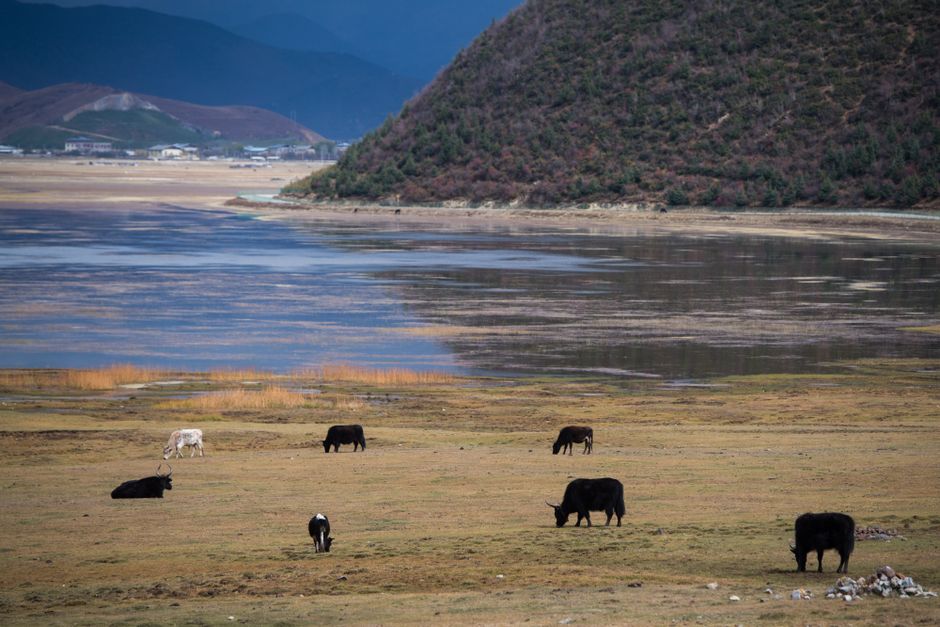
- •Transforming Landscapes: Climate change-induced increases in rainfall are converting historically arid and semi-desert regions of China, particularly in the north and west, into viable grasslands and cornfields, providing new areas for cattle grazing and feed crop cultivation.
- •Strategic Self-Reliance: As the globe's foremost consumer of imported beef, China is actively pursuing enhanced domestic production to reduce its reliance on international markets, thereby bolstering national food security and supply chain resilience.
- •Policy and Economic Drivers: Alongside environmental shifts, national trade policies, including tariffs on imported beef, are incentivizing domestic cattle farming by making local production more economically competitive and attractive for producers.
- •Expanding National Herds: This convergence of climatic opportunities and national policy direction is directly leading to a significant expansion of China's domestic cattle herds, impacting the global agricultural landscape.
- •Global Market Implications: The rise in China's beef self-sufficiency could potentially alter international beef trade flows, impacting major exporting nations and global meat prices as Chinese import demand shifts.
China is making significant strides towards bolstering its domestic beef production, driven by a powerful confluence of environmental shifts and strategic national policy. Traditionally the world's largest importer of beef, the nation is now leveraging newfound agricultural opportunities and protective trade measures to cultivate greater self-reliance within its own borders.
A key factor in this transformation is the impact of global climate change. Altered weather patterns are delivering increased precipitation to regions that were historically dry, particularly in northern and western China. These once-arid and semi-desert landscapes are gradually transforming into lush grasslands and fertile cornfields. This ecological pivot provides an unprecedented opportunity for agricultural expansion, offering extensive new pastureland for cattle grazing and ideal conditions for cultivating corn, a crucial feed crop.
This environmental bounty aligns perfectly with Beijing's broader food security agenda. By developing its internal capacity for livestock rearing, China aims to reduce its vulnerability to fluctuations in global supply chains, international market prices, and geopolitical tensions that could disrupt food imports. The nation's experience during global crises has underscored the importance of securing essential food resources domestically.
Beyond the changing climate, government trade policies also play a pivotal role. The implementation of tariffs and other import restrictions on foreign beef makes domestic production more economically competitive and attractive for local farmers and agribusinesses. This strategic economic incentive encourages investment in cattle farming infrastructure and herd expansion, further accelerating the drive towards self-sufficiency.
The expansion of national herds could have substantial implications for the global beef market. As China's domestic output rises, its demand for imported beef may stabilize or even decrease, potentially impacting major beef-exporting nations such as Brazil, Australia, and Argentina. While challenges remain, including sustainable water management, maintaining feed quality, and preventing animal diseases, the current trajectory suggests a significant reshaping of China's agricultural landscape and its position in the international meat trade.