Asia's Energy Pivot: Geopolitical Risks Drive Quest for Self-Reliance
Developing Asian economies, having endured the impact of fluctuating energy supplies linked to Middle Eastern instability, are embarking on a strategic shift. They aim to reduce their heavy dependence on incoming energy commodities, specifically liquefied natural gas, by diversifying sources and investing in domestic alternatives, fostering greater energy security and autonomy.
Key Points
- •Developing Asian nations are strategically reducing their dependence on imported energy commodities, especially liquefied natural gas (LNG).
- •This shift is primarily driven by heightened geopolitical instability and past market shocks emanating from the Middle East, which underscore the vulnerability of relying on global supply chains.
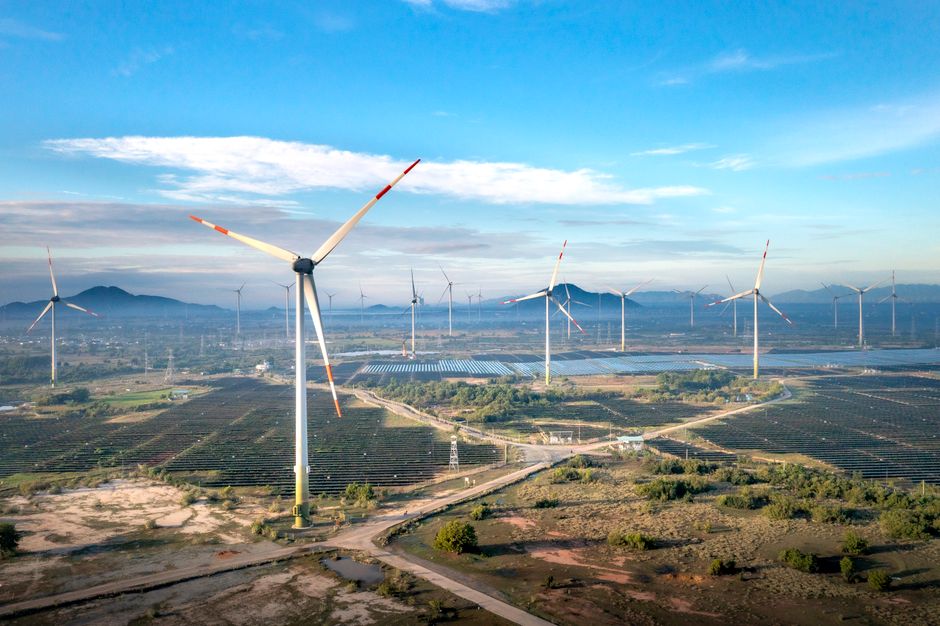
- •Countries are implementing diverse strategies, including expanding their portfolio of energy import partners, significantly investing in domestic renewable energy sources like solar and wind, and improving energy efficiency across all sectors.
- •The overarching goal is to fortify national energy security, mitigate exposure to international price volatility, and safeguard economic growth from external disruptions.
- •Achieving this energy autonomy presents substantial challenges, requiring massive capital investment in infrastructure, technological advancement, and skilled workforce development.
Recent geopolitical tensions, particularly those emanating from the Middle East, are serving as a potent catalyst for a fundamental re-evaluation of energy strategies across many burgeoning economies in Asia. For these rapidly growing economies, with an ever-increasing demand for power, the vulnerability exposed by a heavy reliance on global energy markets has become critically apparent. The specter of supply disruptions, whether due to regional conflicts, shipping lane threats, or price volatility, is compelling these nations to embark on an ambitious journey towards greater energy independence.
Historically, the Middle East has been a pivotal, albeit sometimes volatile, source of hydrocarbons for the world. Economies throughout Asia, in their drive for industrialization and modernization, have become significant importers of crude oil and, increasingly, liquefied natural gas (LNG) from this region and other major global suppliers. However, past episodes of market shock, often tied to political unrest or military engagements, have instilled a collective urgency to mitigate future risks. The potential for conflict to impede vital shipping routes like the Strait of Hormuz, or to significantly inflate international energy prices, poses an existential threat to economic stability and growth in these importing nations.
In response, governments and energy stakeholders across Asia are actively pursuing multi-pronged strategies to "de-risk" their energy portfolios. One primary approach involves robust diversification of supply origins, moving away from over-reliance on any single region or supplier. This means exploring new partnerships for LNG and oil, broadening the geographical spread of their energy imports to hedge against localized disruptions. Concurrently, there is a significant push towards domestic energy development. This includes accelerating investment in renewable energy sources such as solar, wind, and hydropower, where many Asian countries possess considerable untapped potential. Nuclear energy is also being considered or expanded in some nations as a reliable, baseload power alternative.
Furthermore, enhancing energy efficiency across industrial, commercial, and residential sectors is a crucial component of this strategy, reducing overall demand and thus the need for imports. Developing indigenous energy resources, even if marginal, can contribute to the overarching goal of reducing external dependency. The transition, however, is not without its formidable challenges. The sheer scale of energy demand in these rapidly expanding economies requires monumental investment in new infrastructure, sophisticated grid modernization, and the adoption of cutting-edge technologies. Financing these initiatives, ensuring technological transfer, and building the necessary domestic expertise are significant hurdles.
Ultimately, the drive among developing Asian nations to lessen their reliance on international energy markets, particularly for fuels originating from politically sensitive zones, marks a pivotal moment in global energy dynamics. While achieving complete energy autonomy may be a distant prospect, the concerted efforts to diversify, innovate, and invest domestically signify a profound shift towards building more resilient, secure, and sustainable energy futures for millions. This strategic pivot reflects a clear lesson learned from history: true economic stability is deeply intertwined with robust energy security.